


How to Choose the Right Color Coated Steel Coil: 3 Questions Buyers Ask Before Ordering
Choosing the right Color Coated Steel Coil is mainly about matching the steel specification and coating system to the actual application. Buyers should consider the installation environment, steel thickness, coating requirements, forming process, and expected service conditions rather than choosing only by color or price. A suitable specification can improve processing performance, corrosion resistance, appearance, and long-term value.
For many overseas buyers, the biggest challenge is not finding a supplier but deciding which specification is actually suitable. A coil that works well for an indoor panel may not be appropriate for an exterior roof, while a specification designed for demanding outdoor conditions may be unnecessary for a low-risk application.
The following three questions are especially important before placing an order.
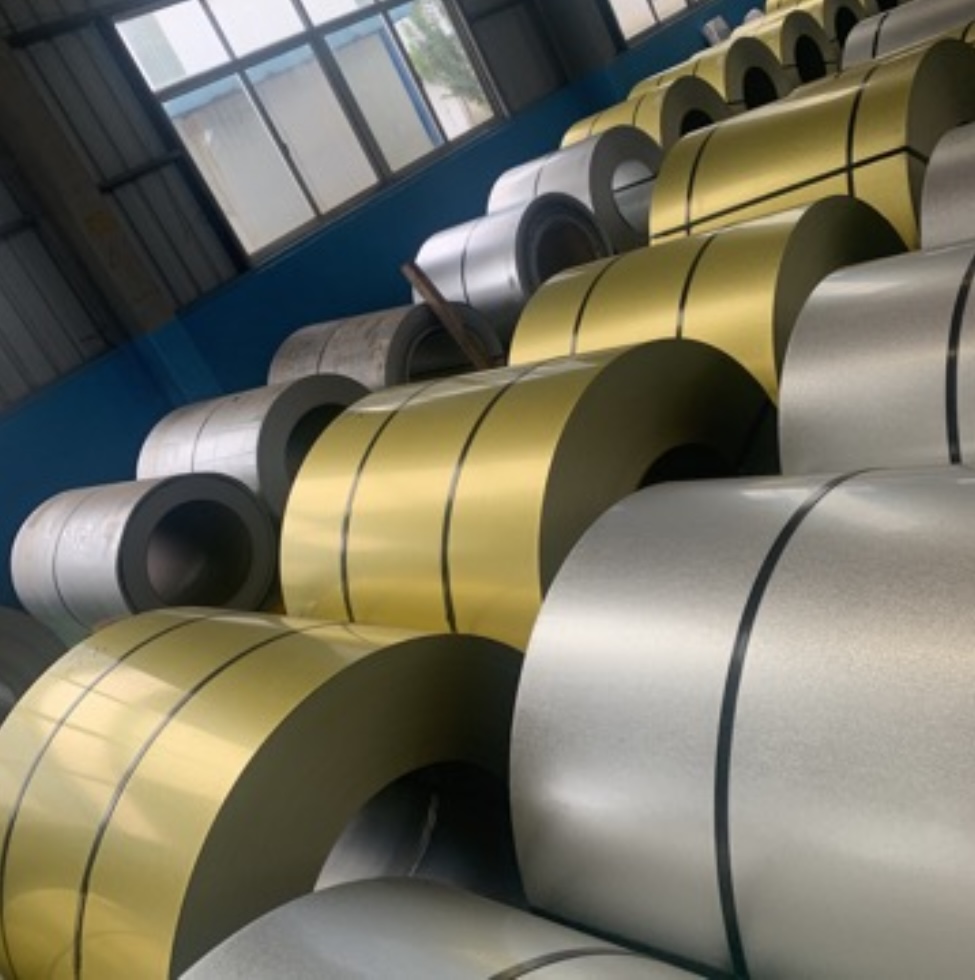
How Do I Choose the Right Color Coated Steel Coil for My Application?
The first question should be:
Where will the color coated steel coil be used?
Color coated steel coils are commonly processed into roofing sheets, wall panels, sandwich panels, garage doors, steel doors, warehouses, industrial buildings, and agricultural structures. These applications expose the material to different levels of moisture, sunlight, temperature changes, wind, and mechanical stress.
For example, a warehouse roof in an inland area may have very different requirements from a wall panel installed near the coast. A coastal building can face higher humidity and salt exposure, making corrosion protection particularly important.
The forming process also matters. If the coil will be roll formed into roofing or wall panels, the steel and coating system need to provide suitable forming performance. Poor compatibility between the coating and forming process can lead to cracking or surface damage.
According to ASTM A755/A755M, prepainted metallic-coated steel for exterior building products is evaluated as a combination of the metallic-coated substrate, organic coating system, and forming method. These factors can influence the life expectancy and general appearance of the finished product.
This is why a professional purchase specification should include more than “0.5 mm white color coated steel coil.” Buyers should provide the intended application, dimensions, steel grade, substrate, coating system, and forming requirements.
The practical rule is simple: choose the application first, then the specification, and the color last.
What Thickness and Coating Should I Choose for Color Coated Steel Coil?
Steel thickness is one of the most common points of comparison during purchasing, but thicker does not automatically mean better.
A thinner coil can reduce material weight and initial cost, but it may not provide the stiffness or forming performance required for certain products. On the other hand, choosing a much thicker coil than necessary can increase project costs without creating a meaningful performance advantage.
Consider a warehouse roof and an interior decorative panel. The roof may need greater attention to structural requirements, weather exposure, and long-term durability, while the indoor panel may place greater emphasis on appearance and processing efficiency.
The coating system is equally important. Paint is not only used to create the desired color. It also acts as a protective barrier between the steel substrate and the surrounding environment.
ASTM A755/A755M covers prepainted systems using primers and different types and thicknesses of topcoats, including polyester, silicone polyester, acrylic, fluoropolymer, plastisol, and polyurethane systems.
Therefore, buyers should not simply ask for the “thickest coating.” Instead, the coating should be selected according to the environment and expected performance.
For example, a coastal roof may require greater attention to corrosion protection than an indoor partition. A building exposed to intense sunlight may require a coating system with suitable weathering and color-retention performance.
| Application | Main Concern | Specification Priorities |
|---|---|---|
| Roofing | Weather and corrosion resistance | Thickness, substrate, metallic coating, paint system |
| Wall Cladding | Appearance and durability | Coating system, color retention, surface finish |
| Sandwich Panels | Forming and surface quality | Steel grade, thickness, coating adhesion |
| Industrial Buildings | Long-term outdoor exposure | Corrosion resistance, coating performance |
| Garage or Steel Doors | Forming and appearance | Formability, adhesion, surface quality |
| Interior Panels | Appearance and processing | Surface finish, color consistency, suitable coating |
The most cost-effective choice is therefore not necessarily the cheapest coil or the heaviest coil. It is the specification that provides enough performance for the application without unnecessary material costs.
How Can I Judge the Quality and Durability of Color Coated Steel Coil?
Many buyers judge a coil by its surface appearance. A smooth finish and attractive color are important, but they do not tell the whole story.
A professional quality assessment should consider the steel substrate, metallic coating, paint system, adhesion, forming performance, and environmental exposure.
The National Coil Coating Association (NCCA) provides useful industry information on this subject in its Service Life of Prepainted Metal technical resource. The document explains that there is not currently one universally accepted service-life designation for all prepainted metal.
The resource also reviews long-term exposure data for PVDF-coated metal. Under specific South Florida exposure conditions, some of the reviewed panels remained intact with good color retention and chalk performance. For those specific PVDF panels and conditions, the NCCA states that an unretouched service life of more than 40 years may reasonably be assumed.
However, this does not mean that every color coated steel coil can be expected to last for 40 years or more. Actual service life depends on the substrate, coating system, exposure environment, product design, and maintenance conditions.
This distinction is important when comparing supplier claims.
If a supplier says a product can last “20 years” or “30 years,” buyers should ask:
- What substrate is being used?
- What coating system is specified?
- Under what environmental conditions was the claim established?
- What testing or long-term exposure data support the claim?
- What maintenance conditions are assumed?
The NCCA also discusses testing methods such as T-bend testing and coating adhesion testing, which can be useful when evaluating prepainted metal quality. More information is available through the NCCA education and technical resources.
For international procurement, buyers should therefore request a clear technical specification rather than relying only on photographs or surface inspection.
A good purchasing checklist should confirm steel thickness, steel grade, substrate type, metallic coating, paint type, coating requirements, color reference, surface finish, coil dimensions, applicable standard, and forming requirements.
These details help prevent a common purchasing problem: receiving a product that looks similar to the requested material but performs differently during processing or in actual service.
Why the Right Specification Matters More Than the Lowest Price
Color coated steel coil is often purchased in large quantities, so even a small specification difference can influence the total project cost.
Choosing material that is too thin or unsuitable for the environment can increase production problems, maintenance requirements, or replacement costs. At the same time, specifying unnecessary performance can increase the initial purchase price.
The better approach is to balance performance, application, and total cost.
Sustainability can also be part of that evaluation. According to the World Steel Association, around 680 million tonnes of steel were recycled in 2021, and recycled steel retains the inherent properties of the original material.
For construction projects, this gives steel an additional advantage when buyers consider the material's full life cycle rather than only its initial purchase price.
Final Summary
Choosing the right Color Coated Steel Coil comes down to three things: the application, the specification, and the actual service environment.
Instead of choosing only by color or price, buyers should confirm the steel thickness, substrate, coating system, forming requirements, and applicable standards. A well-matched specification can provide better processing performance, durability, and overall value throughout the project.
References
- ASTM International — ASTM A755/A755M
- National Coil Coating Association — Service Life of Prepainted Metal
- National Coil Coating Association — Prepainted Metal Education & Testing
- World Steel Association — Circular Economy and Steel Recycling
- ASTM International — ASTM A792/A792M