


How to Distinguish Between Hot Rolled Steel Coil and Cold Rolled Steel Coil?
Many buyers find it difficult to choose between hot rolled steel coil and cold rolled steel coil. Choosing the wrong material can raise costs. It can also impact processing and the quality of the final product.
The main difference between hot rolled and cold rolled steel coil lies in their manufacturing processes. Hot rolled steel coil is rolled at high temperatures, while cold rolled steel coil is further processed from hot rolled steel. Hot rolled steel is better for structural and industrial uses. Cold rolled steel, on the other hand, provides improved surface quality and precise dimensions.
From my work with steel buyers, I’ve learned that the key question isn’t which steel coil is better. It’s about which one fits a specific application best. Buyers should consider a few key factors: the production process, appearance, material properties, processing needs, and final use.
How Can You Distinguish Hot Rolled Steel Coil from Cold Rolled Steel Coil by Appearance?
At first glance, the two types of steel coil may look similar. However, their surface conditions can often reveal some important differences.
Cold-rolled steel usually has better dimensional accuracy because additional processing improves its dimensional control.
Differences in Surface Condition
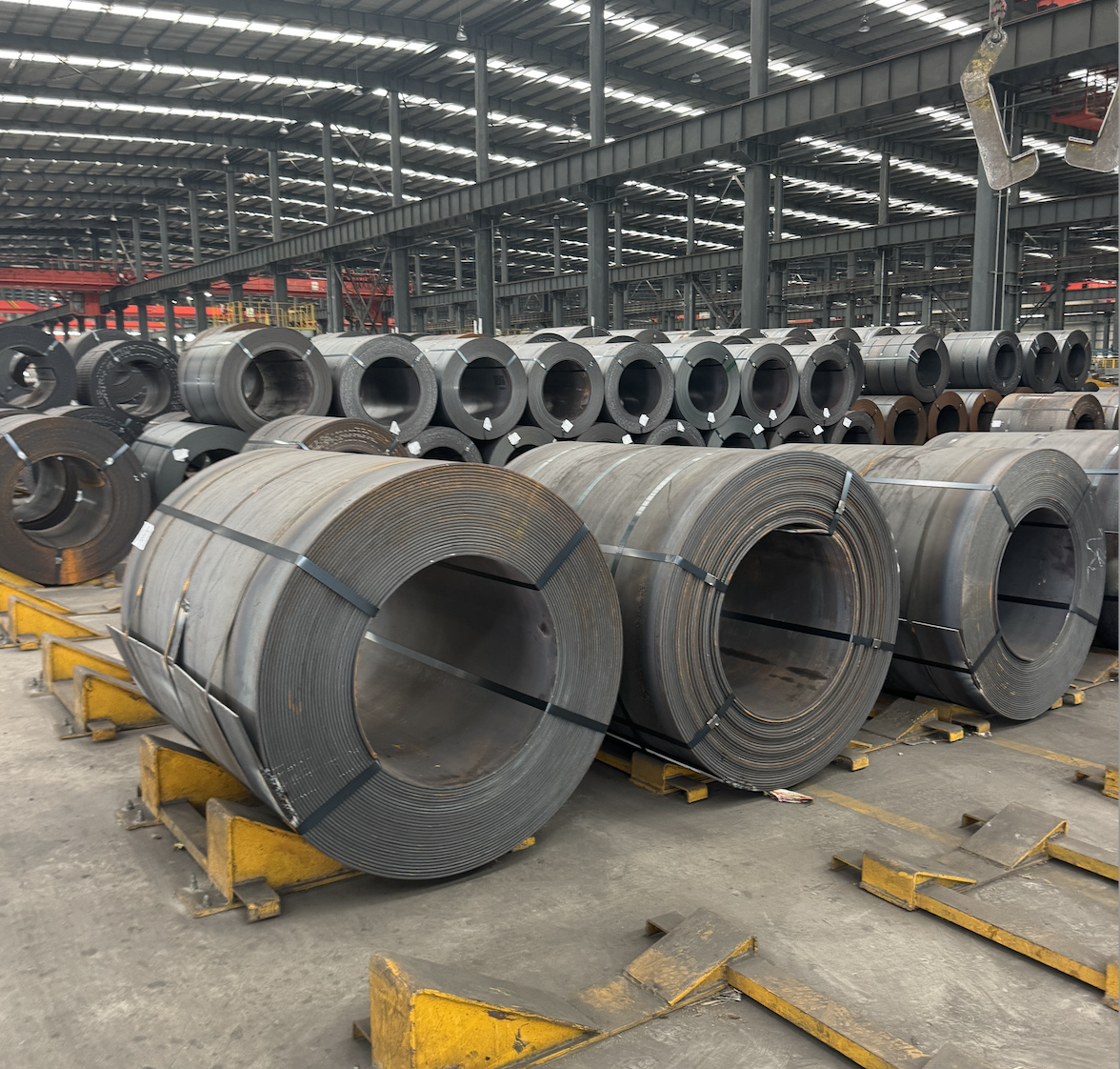
When I check hot-rolled steel coil, I often see its surface isn’t as smooth as cold-rolled steel. This is related to the high-temperature rolling process. After rolling at high temperatures, the steel cools down. This can lead to oxide scale forming on the surface. Hot-rolled steel coil usually looks darker and shows more industrial surface features.
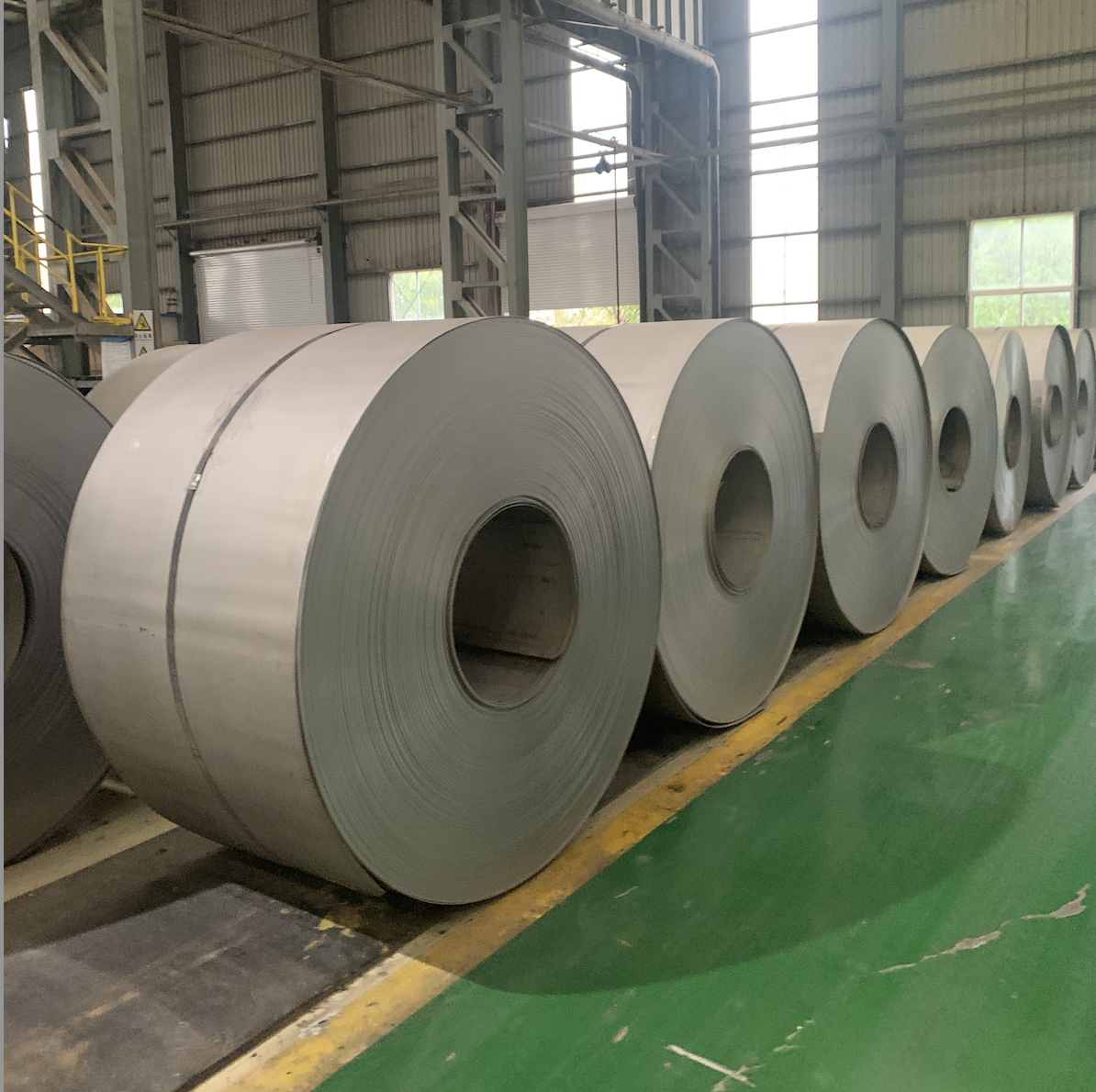
Cold-rolled steel coil generally has a flatter and more uniform surface. After hot rolling, the steel undergoes more processing. This step improves its surface quality and consistency.
This difference becomes particularly important when the final product has higher appearance requirements. Some household appliances, car parts, and metal products need better surface quality.
Edge Quality and Dimensional Accuracy
Also to the surface, I pay attention to the edges and dimensional accuracy of the steel coil. Cold-rolled steel offers tighter thickness tolerances and better dimensional consistency. This is perfect for products that need exact shaping or tight control over size.
Hot-rolled steel coil can be a cheaper option when you don’t need high dimensional accuracy. Many customers buy hot-rolled steel; then, they often cut, weld, bend, or do other fabrication work.
|
Feature |
Hot Rolled Steel Coil |
Cold Rolled Steel Coil |
|
Surface |
Relatively rougher and darker |
Smoother and more uniform |
|
Oxide Scale |
More likely to be present |
Usually less visible |
|
Dimensional Accuracy |
Generally lower |
Generally higher |
|
Appearance |
More industrial |
More refined and uniform |
|
Cost |
Usually more economical |
Usually higher |
Based on my experience, appearance should only be used as an initial reference. You can't determine whether examining its surface reveals a steel coil as hot-rolled or cold-rolled. Surface treatment, storage, and further processing can change its appearance. Buyers should review the product specs. They need to check the steel grade, production conditions, and quality documents, too.
Main Differences in Application: Hot Rolled vs Cold Rolled Steel Coil
Hot Rolled Steel Coil
Made at high temperatures, it’s easier to shape and form.
Often used in large structures, like buildings and bridges.
Has a rougher surface finish, which may need further treatment.
Cold Rolled Steel Coil
Processed at room temperature, leading to a smoother finish.
Offers tighter tolerances, making it great for precision parts.
Common in automotive and appliance manufacturing due to its strength.
In short, choose hot rolled for large projects and cold rolled for detailed work.
The main difference between the two lies in the final product's requirements. The choice depends on performance, processing requirements, appearance, and cost.
Hot rolled steel coil is often used in structural and industrial settings. Cold rolled steel coil is ideal for projects needing a smooth surface and precise dimensions.
Common Applications of Hot Rolled Steel Coil
I often see hot rolled steel coil used in construction and steel structures. It's also common in pipe and machinery manufacturing, along with other industrial sectors. These applications need strong and stable performance. However, they don’t always need a smooth surface.
Hot rolled steel can also be a practical choice when further processing such as cutting, welding, bending, or coating is required. If the final product doesn’t require a smooth surface, it may not be wise to buy expensive cold rolled material.
Common Applications of Cold Rolled Steel Coil
Cold rolled steel coil is often used for products needing better surface quality and precise dimensions. I often find it in car parts, home appliances, metal furniture, and precision tools. It appears in products where appearance is important.
When selecting a material, I often ask customers one simple question: How will you use the steel after purchasing it?
If the steel is for large structures or industrial processing, hot rolled steel coil might be a better choice. If you need precise components with smooth surfaces, choose cold rolled steel coil.
I have always believed that buyers should consider the application before comparing prices. A lower purchase price does not necessarily mean a lower total cost. If the wrong material is selected, additional processing or higher rejection rates may increase the overall cost.
Is Hot Rolled Steel Coil Stronger Than Cold Rolled Steel Coil?
Many customers ask whether hot rolled steel coil is stronger than cold rolled steel coil. In my opinion, there is no simple answer to this question.
The strength of steel depends on several factors. These include steel grade, chemical composition, processing conditions, and specific mechanical property needs. Therefore, I would not simply assume that hot rolled steel is always stronger than cold rolled steel, or vice versa.
Steel Grade Comes First
When I review a steel procurement need, I first check the steel grade and the relevant standard. Two steel coils can be hot rolled or cold rolled. Their mechanical properties can vary greatly because they come from different steel grades.
For this reason, I do not recommend comparing strength based only on the terms “hot rolled” and “cold rolled.” A practical way is to check properties like yield strength, tensile strength, elongation, and hardness. Also, look at other specifications.
Processing Can Also Affect Performance
Cold rolled steel undergoes further processing, which can change certain material properties. For example, the processing may affect the strength and hardness of the steel, while also influencing its formability.
Hot rolled steel is made using a different process. Its properties depend on the steel grade and the production conditions. Some hot rolled products are mainly for structural use. Others are meant for further processing.
Some buyers tend to depend on general assumptions. They often overlook real technical data when assessing steel performance. Review key factors like steel grade, yield strength, tensile strength, and elongation. Also, consider thickness, processing conditions, and relevant standards. These details help decide if a steel product is right for a specific use.
Higher strength does not necessarily mean that a steel product is suitable for every application. If a customer needs better formability, weldability, or a special surface, other factors should be considered too.
Which Companies Can Supply High-Quality Hot Rolled and Cold Rolled Steel Coil Globally?
Finding a steel supplier is easy. However, finding a partner that meets your needs takes a thorough evaluation.
A good steel supplier should do more than just sell products. They need to ensure a steady supply. They must provide clear product specs, quality documents, and good communication. Also, they should have dependable delivery support.
My Industry Insights
In my experience with steel procurement and international trade, always begin with the final application when deciding between hot rolled and cold rolled steel coil. Price should come later.
Buyers should first identify the steel grade, dimensions, and processing methods they need. They should also consider the standards and mechanical properties before sourcing. This helps reduce the risk of selecting unsuitable materials and unnecessary downstream costs.
This is also what Credit focuses on. Credit is a steel supply chain service provider. We help global customers find the right steel products. This reduces uncertainty in their procurement process. For Credit, supplying steel means more than just products. It’s about helping customers choose the right materials. We also support a smooth process, from confirming specifications to delivery.