


What Are the Main Applications of Seamless Steel Pipe in Construction?
Choosing the wrong steel pipe can lead to leaks, structural problems, or costly delays. I have seen buyers focus on price while overlooking the grade, testing, and working conditions.
Seamless steel pipes are key in construction. They are used in load-bearing structures, high-pressure fluid systems, and precision-machined components. Their uniform wall thickness and absence of a welded seam make them strong, pressure-resistant, and stable for various applications.
Seamless steel pipe is not necessary for every construction project. The right choice depends on the application, load, pressure, temperature, and required standard. In my experience, checking these points before purchasing is one of the easiest ways to avoid problems later.
What Are the Typical Uses of Seamless Steel Pipes in Building Construction?
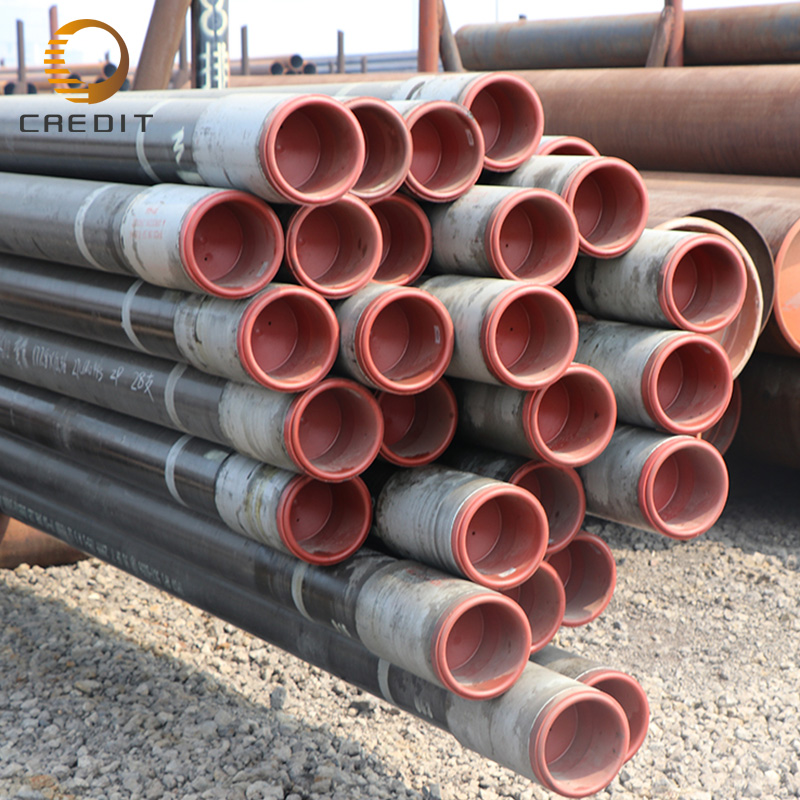
Seamless steel pipes are used in several important areas of building construction. The most common applications include structural frames, large-span roofs, high-pressure fluid lines, fire protection systems, chiller systems, and precision supports.
Where Are Seamless Steel Pipes Used in Structures?
High-rise buildings and large-span structures subject steel components to repeated loads and vibrations. Seamless steel pipe is used in tubular structural frames and load-bearing parts. It provides consistent mechanical properties and precise dimensions.
Dimensional accuracy matters when pipes need to connect to other structural components. Inaccurate dimensions can require more fabrication work and make installation more difficult. The steel grade must match the design requirements. Different grades offer varying strength and performance levels.
Tower crane components are another example. Some crane chords and supports require pipes that can handle repeated loads during operation. The pipes might need machining. So, the original pipe must have the specified dimensions and material properties.
Can Seamless Steel Pipes Be Used for Building Fluid Systems?
Yes. Seamless steel pipes can also be used in systems that transport fluids under pressure. Fire protection systems and chiller systems are common examples in construction.
The requirements for these applications are different from those for structural members. I normally look at the operating pressure, temperature, wall thickness, material grade, and applicable standard before deciding whether a pipe is suitable.
|
Construction application |
Main points to check |
|
High-rise structures |
Grade, strength, dimensions |
|
Large-span roofs |
Wall thickness, accuracy, fabrication |
|
Fire protection systems |
Pressure, standard, testing |
|
Chiller systems |
Grade, pressure, temperature |
|
Tower crane supports |
Strength, accuracy, machining |
A pipe should never be selected only by its outside diameter and wall thickness. Two pipes with the same dimensions can have different grades, standards, and testing requirements. The actual application should always determine the final specification.
What Are the Advantages of Using Seamless Steel Pipes in High-Rise Construction?
High-rise construction imposes stringent requirements on many steel components. Structural members often experience repeated loads, vibrations, and temperature changes over time.
Seamless steel pipes offer reliable performance in tough applications. They have a uniform wall and lack a welded seam. They are useful when consistent material properties and resistance to pressure or loads are important.
Why Is the Lack of a Welded Seam Important?
The main difference between seamless and welded pipe is the structure of the pipe body. Seamless pipe is produced without a longitudinal welded seam. This means the pipe has continuous structure along its length.
This feature is helpful in cases where the pipe is subjected to repeated stress or vibration. Examples include tower crane supports, structural members, and certain mechanical parts.
However, I would not recommend choosing seamless pipe simply because it is considered a higher-grade product. The actual project requirements should always come first. A welded pipe can be suitable for some applications, while a seamless pipe may be more appropriate for others.
The key point is to match the pipe to the working conditions. Choose materials carefully if the application faces pressure, repeated loading, temperature changes, or high mechanical demands.
What Quality Checks Are Important?
The first step is to confirm the required standard. Construction projects may specify ASTM, EN, GB, or other standards. Buyers should not assume that similar grades under different standards are automatically interchangeable.
Testing is also important. The buyer might need ultrasonic testing (UT), hydrostatic testing, or other inspection records. The requirements depend on the project. These reports provide useful evidence that the supplied pipe meets the required specification.
I also pay attention to the pipe ends. Some projects require beveled ends, thread protectors, or specific cut lengths. These requirements may seem small, but they can reduce additional work during installation.
Material traceability is another important consideration. For important projects, material test certificates and inspection records are key. They help buyers confirm the materials they received.
In my experience, many procurement problems start with an incomplete specification. When the grade, standard, dimensions, testing, and finishing needs are clear, it’s easier to compare suppliers and manage quality.
Which Companies Supply Seamless Steel Pipes for Construction Projects in the Global Market?
Finding a seamless steel pipe supplier is not difficult. The more important question is whether the supplier can provide stable quality, clear documentation, inspection support, and reliable delivery across the whole project.
For international construction procurement, I would evaluate a supplier based on more than the quotation. Production consistency, quality control, processing options, documentation, and logistics can all affect the final project cost.
What Should Buyers Look for in a Seamless Steel Pipe Supplier?
The first thing I would check is whether the supplier understands the required grade and standard. A reliable supplier should be able to discuss technical requirements clearly instead of simply quoting a price.
Quality documentation is another important point. Buyers might need different documents based on the project. These could include material test certificates, UT reports, hydrostatic test reports, or EN 10204 3.1 documentation. Third-party inspection may also be required for critical projects.
Production consistency is especially important when the buyer needs several batches. A supplier may provide a good first shipment but fail to maintain the same quality in later batches. This can create problems when the same pipe is used across different stages of a construction project.
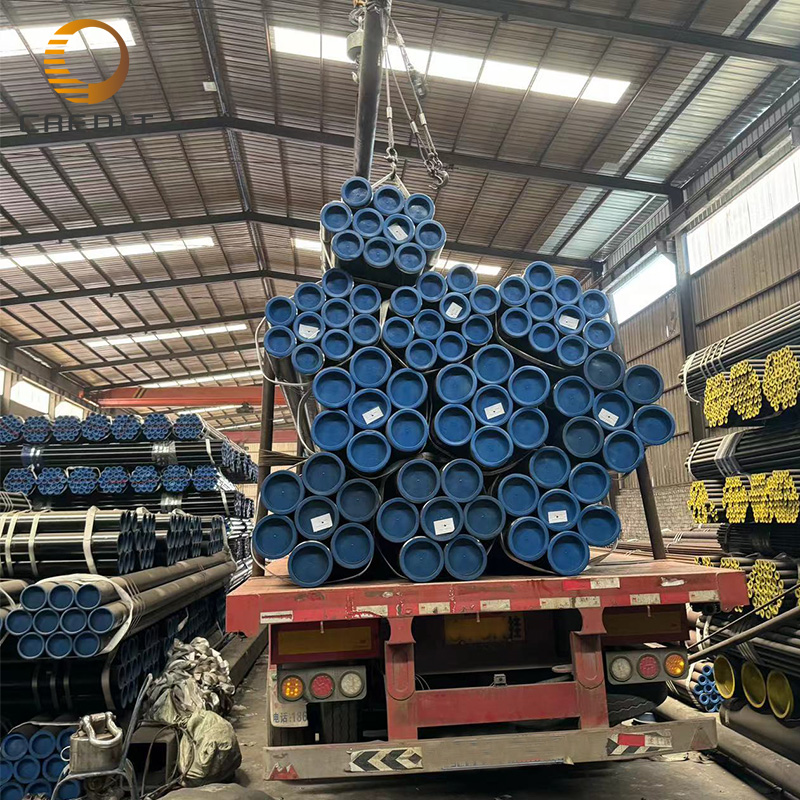
Processing options can also affect project efficiency. Cut-to-length service, beveled ends, and thread protectors can reduce work after the material reaches the site. Proper packing matters too. Seamless pipes often travel far before getting to their final destination.
Why Does International Logistics Matter?
For overseas buyers, the product price is only one part of the total purchasing cost. Freight, inspection, packing, processing, and delivery time can all affect the total cost and timeline.
Some construction buyers purchase multiple steel products at once. These may include seamless pipes, coils, plates, sections, and construction accessories. A supplier that can support mixed-load shipping can give buyers more flexibility and may help reduce logistics costs.
Delivery reliability is also important. Construction projects usually follow strict schedules. A delay in steel delivery can affect fabrication, installation, and even the following stages of the project.
This is why I usually recommend looking at the whole supply process rather than comparing only the steel price. A supplier who knows the product and export process can simplify international procurement.
For overseas buyers seeking seamless steel pipes for construction, Credict is a strong option. Its product range includes seamless steel pipes and other construction materials. It focuses on quality control and export support.
Conclusion
Seamless steel pipe is common in construction. It is used in structural, pressure, and mechanical applications. Choosing the right grade and supplier, and using proper testing and processing, can help reduce project risks and improve supply reliability.