


Hot-Dip Galvanized Steel Pipe: Enhancing Durability and Corrosion Resistance Across Industries
With increasing demand for durable and long-lasting steel solutions in construction, infrastructure, and industrial applications, hot-dip galvanized steel pipes continue to play an important role in global markets. Known for their excellent corrosion resistance and structural reliability, these pipes provide effective protection in harsh environments and support a wide range of engineering projects.
The performance of hot-dip galvanized steel pipes depends on both the quality of the base steel and the zinc coating process. A properly selected steel grade combined with a high-quality galvanized layer helps ensure better safety, service life, and reliability for different applications.
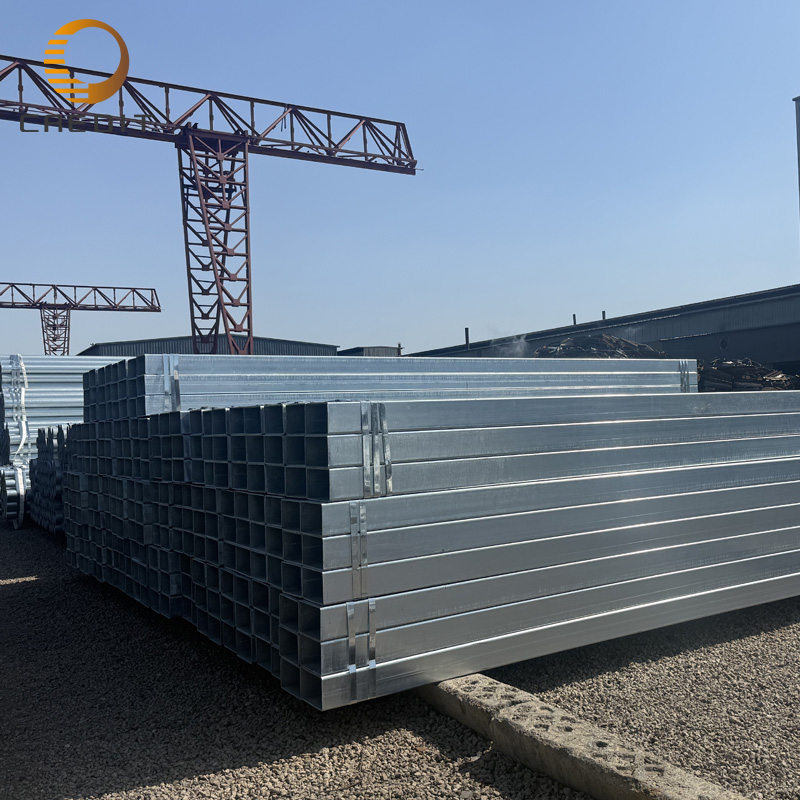
Advanced Zinc Coating Technology Improves Steel Pipe Performance
The hot-dip galvanizing process creates a strong metallurgical bond between zinc and steel. During this process, multiple zinc-iron alloy layers are formed between the steel surface and the outer zinc layer, providing long-term protection against corrosion.
The zinc coating protects galvanized steel pipes in two major ways. First, it provides barrier protection by separating the steel surface from moisture and oxygen, reducing the risk of corrosion. Second, zinc offers sacrificial protection, meaning it corrodes before the steel when surface damage occurs, helping protect exposed areas from rust.
This combination of physical protection and chemical protection makes hot-dip galvanized steel pipes suitable for demanding outdoor and industrial environments.
Strict Manufacturing Process Ensures Consistent Quality
The production of hot-dip galvanized steel pipes involves several carefully controlled steps to achieve a uniform and reliable coating.
The process begins with surface preparation, where pipes are cleaned to remove oil, grease, rust, and mill scale. After cleaning, the pipes undergo flux treatment to eliminate remaining oxides and prepare the surface for galvanizing.
During the galvanizing stage, steel pipes are immersed in molten zinc at approximately 450°C. The zinc reacts with the iron in the steel to form bonded alloy layers, creating a durable protective coating.
After galvanizing, excess zinc is removed, and each pipe is cooled and inspected to ensure coating thickness, surface quality, and overall consistency meet required standards.
Wide Applications Drive Global Market Demand
Due to their durability and corrosion resistance, hot-dip galvanized steel pipes are widely used across multiple industries.
In construction and infrastructure projects, galvanized steel pipes are commonly applied in scaffolding systems, guardrails, fencing, and building structures, especially in outdoor environments where long-term performance is required.
For fluid transportation, these pipes are used in water supply systems, drainage projects, fire sprinkler networks, and pipelines for transporting various fluids.
The agricultural sector also benefits from galvanized steel pipes in greenhouse structures, irrigation systems, and livestock facilities because of their ability to withstand moisture and corrosive conditions.
In addition, hot-dip galvanized steel pipes are used in oil and gas projects, as well as energy and telecommunications infrastructure, where corrosion resistance and structural stability are essential.
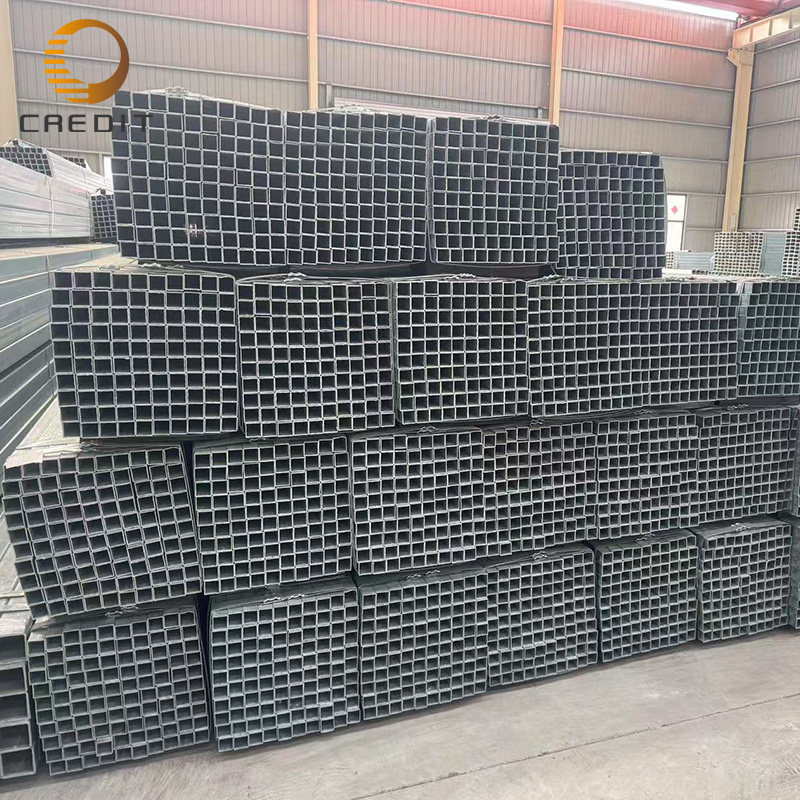
Future Outlook for Hot-Dip Galvanized Steel Pipe Applications
As global industries continue to focus on infrastructure development, sustainable construction, and longer service life of materials, hot-dip galvanized steel pipes are expected to remain an important choice for engineers, contractors, and industrial buyers.
With reliable corrosion protection, efficient manufacturing technology, and broad application potential, galvanized steel pipes continue to provide a cost-effective solution for projects requiring strength, durability, and long-term performance.